Why Do We Still Obsess Over the Golden Age of Radio?

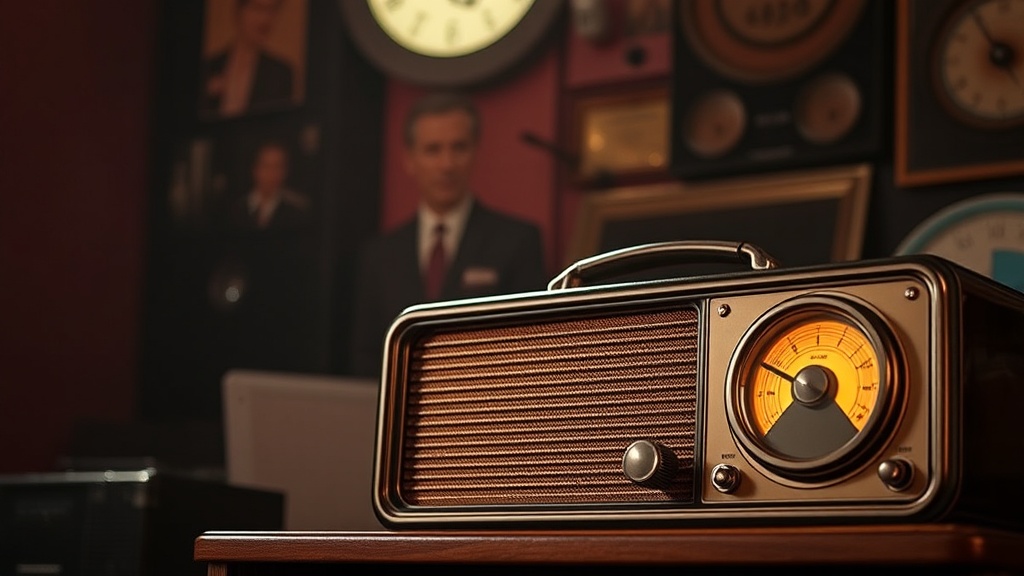
Imagine a living room in 1938. The lights are low, the fire is crackling, and a family sits huddled around a massive, dark wood cabinet. There is no screen to look at, no glowing smartphone to distract them. Instead, there is only the voice. A crackling, distant signal brings the sound of a studio in New York directly into a farmhouse in rural Iowa. This wasn't just entertainment; it was a shared ritual. When Orson Welles's The War of the Worlds broadcast aired, it didn't just entertain—it sparked a genuine, nationwide panic because the line between reality and fiction was thinner than we realize today. This specific era of broadcasting defined how humans consumed narrative, and understanding its grip helps explain why we still crave high-production audio stories today.
The Golden Age of Radio wasn't just a precursor to television; it was a sophisticated medium that forced the human brain to do the heavy lifting. Because there were no visuals, the listener's imagination became the director, the set designer, and the cinematographer. This mental engagement created a level of intimacy that modern high-definition video often fails to replicate. A single, well-placed sound effect—a creaking door or a distant gunshot—could build more tension than a million-dollar CGI sequence because the listener filled in the gaps with their own specific fears and expectations.
Why was radio so important for social connection?
Before the internet fragmented our attention into billion-person silos, radio acted as a massive, singular campfire. It provided a synchronized cultural experience. Whether it was a comedy program like Amos 'n' Andy or a dramatic serial, millions of people were experiencing the same emotional beats at the exact same time. This synchronization created a sense of national cohesion, even if that cohesion was built on the somewhat problematic social structures of the era. It gave people a common vocabulary and a shared set of references that spanned from coast to coast.
The medium also allowed for the democratization of storytelling. You didn't need a visual spectacle to captivate an audience; you needed a compelling voice and a rhythmic script. This led to the rise of the "theater of the mind," a concept where the auditory cues were so precise that listeners could almost see the textures of a character's clothing or the fog rolling in off a fictional sea. This wasn't just passive listening—it was an active, participatory way of experiencing a story. If you want to see how these early audio-driven narratives shaped modern storytelling, you can look at the history of broadcasting through the Library of Congress archives, which document the evolution of sound as a primary storytelling tool.
How did sound effects change the way people experienced stories?
The technical ingenuity of the era is often overlooked. Sound engineers were essentially magicians, using everyday objects to create otherworldly sensations. A coconut shell could become a galloping horse; a sheet of metal could become a rolling thunderclap. This era birthed the concept of the "Foley artist" (though the term evolved later), where the physical manipulation of objects created the illusion of reality. This tactile approach to sound meant that the medium was deeply rooted in the physical world, even when the stories were about outer space or supernatural entities.
This reliance on sound effects meant that the "set" was never static. A character could travel from a bustling New York street to a quiet library simply through a change in ambient noise. This fluidity allowed for much faster pacing than early film, which was often limited by the physical ability to change sets. The ability to jump through space and time using only audio cues gave radio a certain kinetic energy that kept audiences on the edge of their seats. It was a low-cost, high-impact way to manipulate human emotion.
What happened when television took over the airwaves?
The transition from the Golden Age of Radio to the era of Television was a violent one for the medium. As the visual became the dominant way to consume stories, many feared that the "theater of the mind" would die. However, radio didn't simply vanish; it transformed. It moved from the center of the living room to the background of the car and the kitchen. The intimacy remained, but the social ritual changed. The shared, synchronized experience of the radio broadcast was replaced by the visual spectacle of the TV, which required much more direct attention and less imagination.
Interestingly, the techniques developed during the radio era—the pacing, the use of silence, and the reliance on voice—became the backbone of modern podcasting and audio dramas. We see the DNA of 1940s radio in everything from modern true crime podcasts to high-budget audio fiction. The "jump" from radio to TV actually deepened our understanding of how to use sound to drive a narrative. Even today, as we move toward even more immersive technologies, the core principle remains the same: the human brain wants to be told a story that it can inhabit.
The legacy of this era is visible in how we use audio to build worlds. We've moved from the simple radio sets of the 1930s to the sophisticated digital audio workstations of today, but the goal hasn't changed. We are still looking for that perfect sound that triggers a specific memory or a sense of dread. If you're interested in the technical side of how these sounds were created, the Sesame Sound archives often discuss the history of Foley and sound design in a way that connects the past to the present.
- The Power of Voice: In radio, a voice wasn't just a carrier of information; it was a character in itself. The cadence and tone could signal authority, vulnerability, or mischief.
- The Role of Silence: Radio-era creators understood that silence is just as much a tool as sound. A pause in a high-stakes moment could be more deafening than a loud explosion.
- The Cultural Impact: The shift from audio-centric to visual-centric entertainment changed how we engage with the world, moving us from active imagination to passive observation.